Natural Stone for Hotel Lobbies and High-Traffic Floors
How to specify stone flooring that survives a decade of luggage carts and foot traffic. Porosity, honed vs polished, sealing, and the named stones we'd put down.
A hotel lobby floor is one of the hardest jobs you can give a stone. It has to look like the first impression of a premium brand and survive fifteen years of wheeled luggage, grit tracked in from the street, banquet setups, and nightly cleaning. Get the specification right and the floor becomes the quiet backbone of the building. Get it wrong and you are looking at a worn walking path down the middle of your marble within five years.
We source flooring stone for hospitality projects, so this is written for the person actually writing the spec. The good news: a lobby floor that lasts is a solved problem. It just requires specifying the stone, the finish, and the maintenance regime as one decision instead of three.
What "high traffic" actually does to stone
Two different forces attack a commercial floor, and they are not the same.
The first is abrasion. Foot traffic carries grit, and grit is essentially sandpaper underfoot. Over years it dulls polish, rounds arrises, and wears a visible path along the desire lines where everyone walks. Harder, denser stones resist this; softer, more porous ones show it.
The second is rolling and point loads. Luggage carts, room-service trolleys, and cleaning machines concentrate weight on small wheels. This is a fracture and chipping risk at joints and on weaker stone, quite separate from abrasion. It is why joint detailing and bedding quality matter as much as the stone.
Design for both. A stone that resists abrasion but chips at the joints under a cart still fails as a lobby floor.
The four specs that matter
Hardness and density. Denser stones with tighter grain resist abrasion. Among the design-led options, dense limestones and marbles do the job; the very softest, chalkiest limestones do not.
Porosity / water absorption. Lower is better for a floor that will meet spills and cleaning water daily. Low absorption means fewer stains and easier maintenance.
Finish. This is the biggest lever you control, covered below. In short: honed, not polished, for the main field.
Slip resistance. Lobbies get wet: entrances in rain, near bars, around service points. Specify a finish and, where needed, a surface treatment that meets your project's slip rating in the wet, especially at thresholds and ramps.
Marble in a lobby: when it works
The persistent myth is that marble is too fragile for commercial floors. It is not, if you specify it honestly. The trick is the finish.
A polished marble floor is a maintenance liability in high traffic. The mirror shine is a thin worked surface, and abrasion turns it dull exactly where people walk, leaving a matte trail through your gloss. A honed marble has no shine to lose. It wears evenly, hides micro-scratching, and grips better underfoot. Honed is how marble survives a lobby.
Our honed marble choices for hospitality:
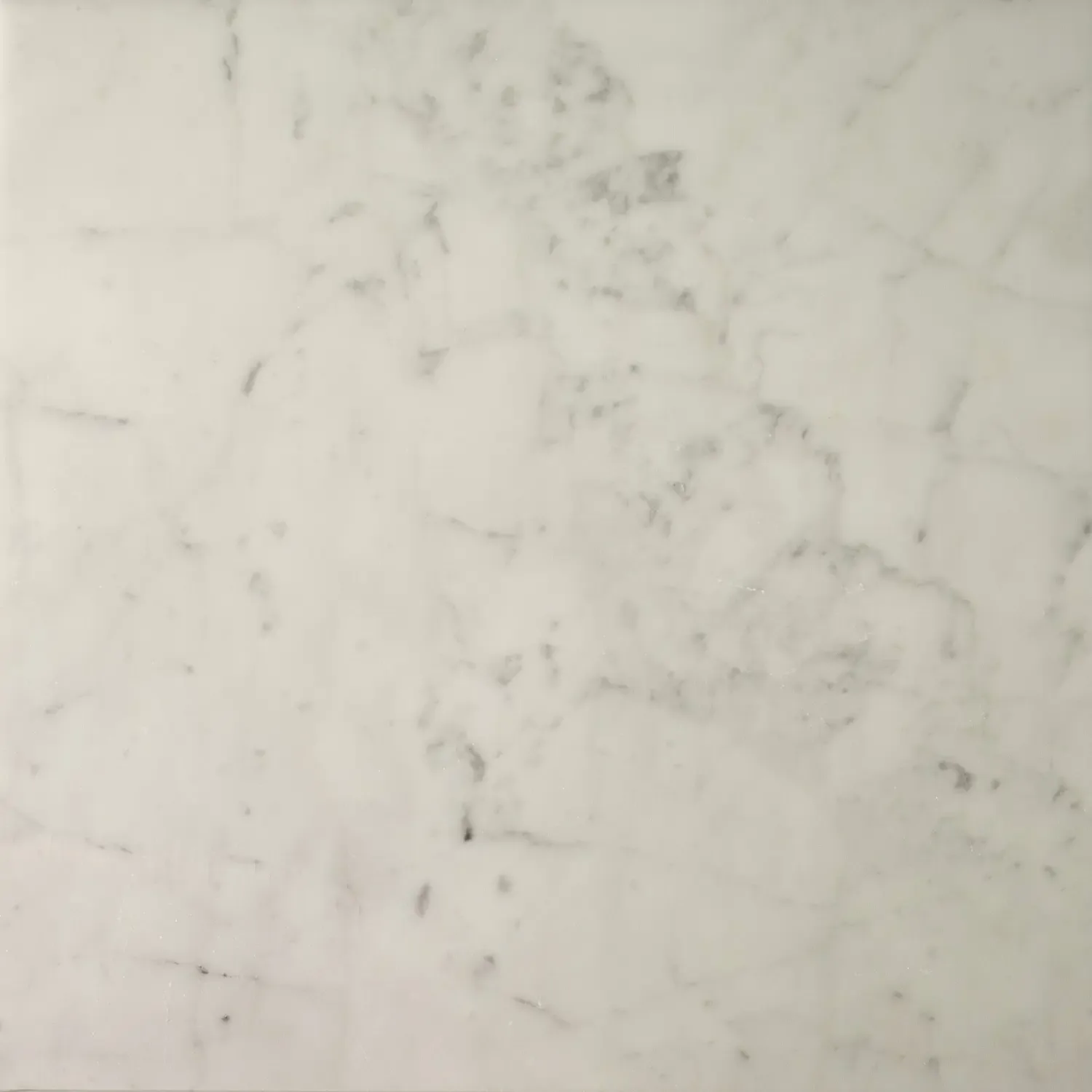
Carrara White is the reference. Soft grey-white with gentle veining, honed for even wear, it delivers the classic luminous marble lobby without the polished floor's fragility.
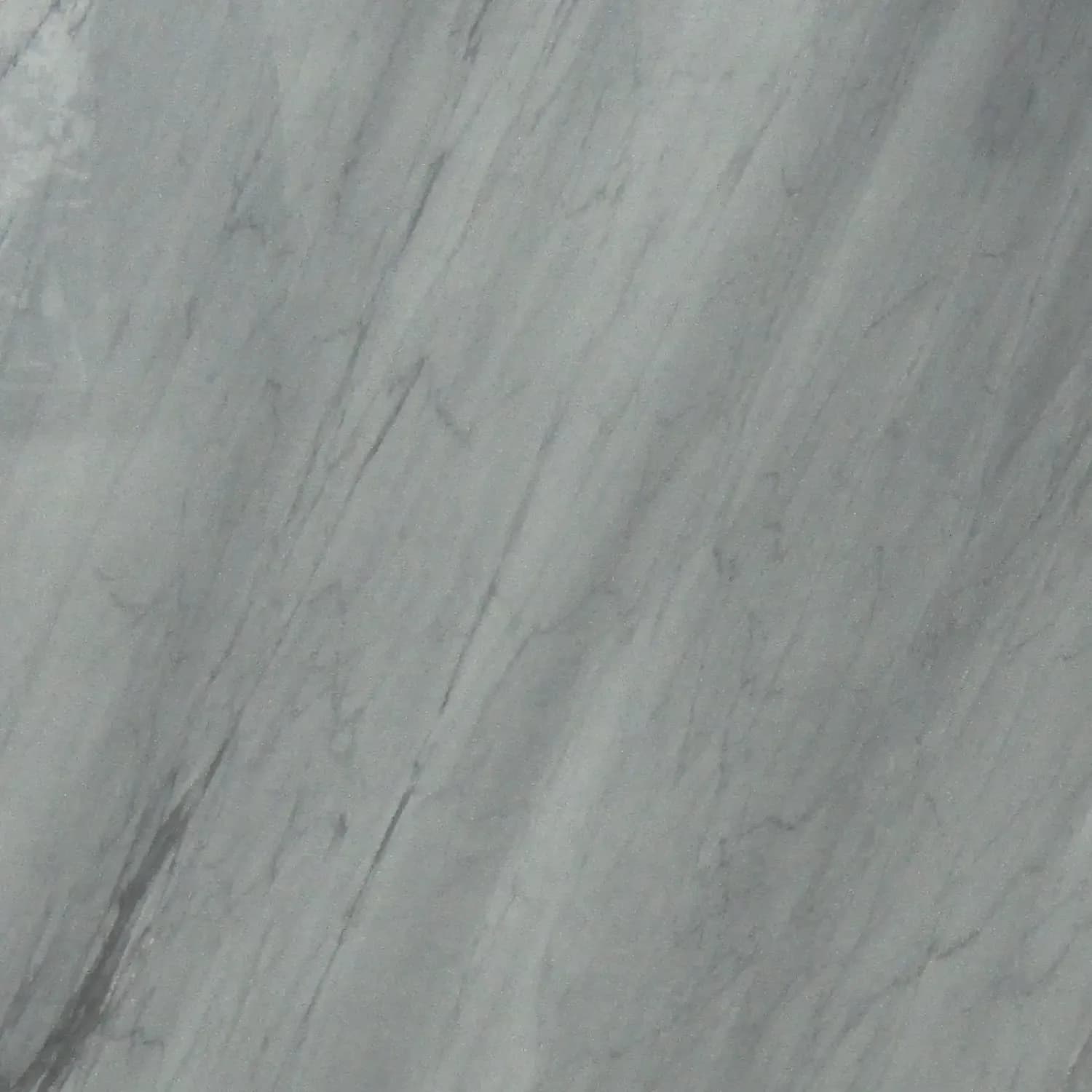
Bardiglio Imperiale is the sophisticated dark-grey counterpoint, dramatic underfoot and forgiving of foot-borne dirt in a way pale stones are not.
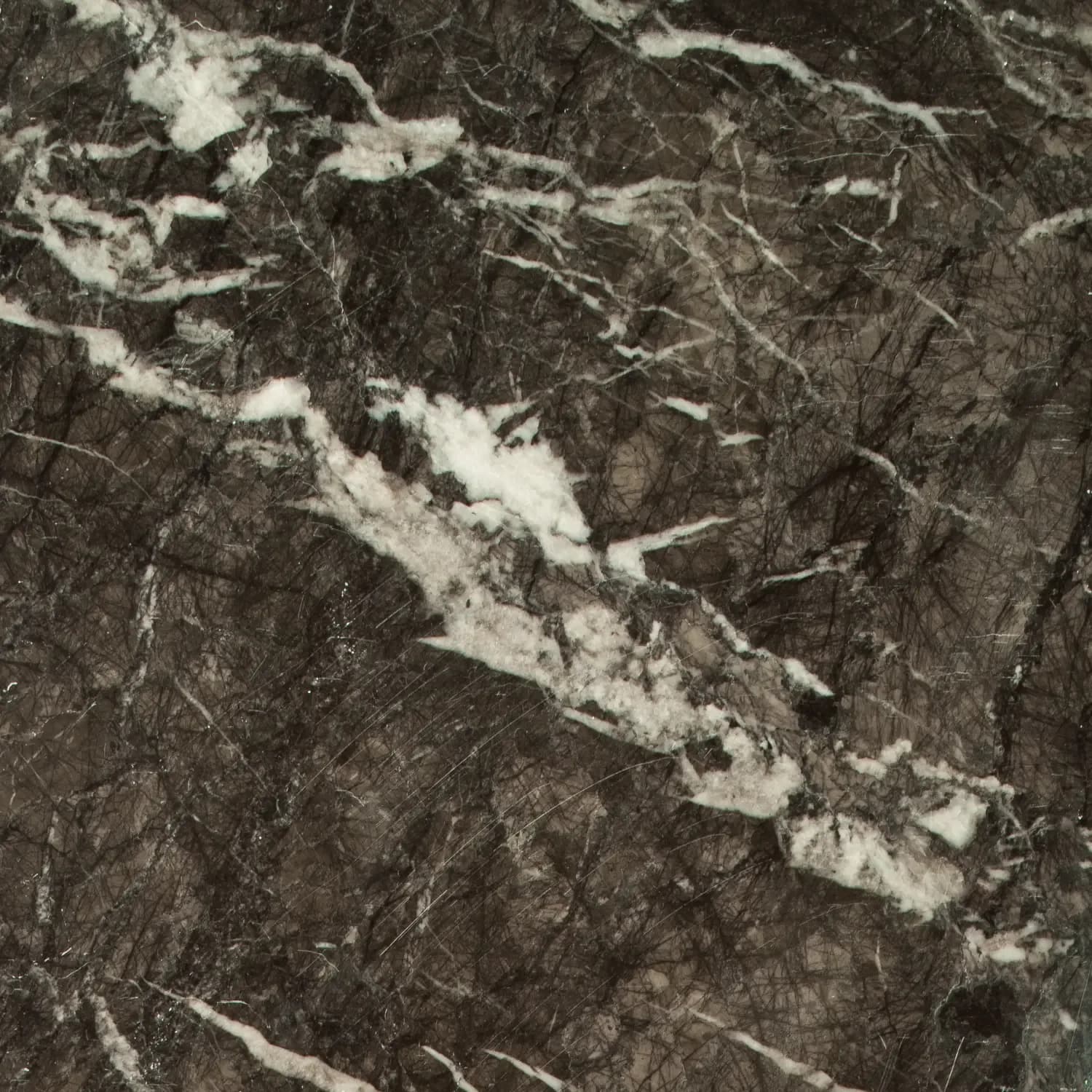
Grigio Carnico is a deep grey-black Italian marble with fine white veining, a strong choice where you want richness and contrast in the floor.
Marble is calcite-based, so it etches with acids (wine, citrus, some cleaners) regardless of sealing. In hospitality that is a maintenance-training issue, not a reason to avoid marble. Honed surfaces also disguise etching far better than polished ones.
Dense limestone and sandstone: the quiet workhorses
If you want lower maintenance and a calmer, more contemporary floor, dense limestone and hard sandstone are the workhorses that hospitality specifiers reach for.
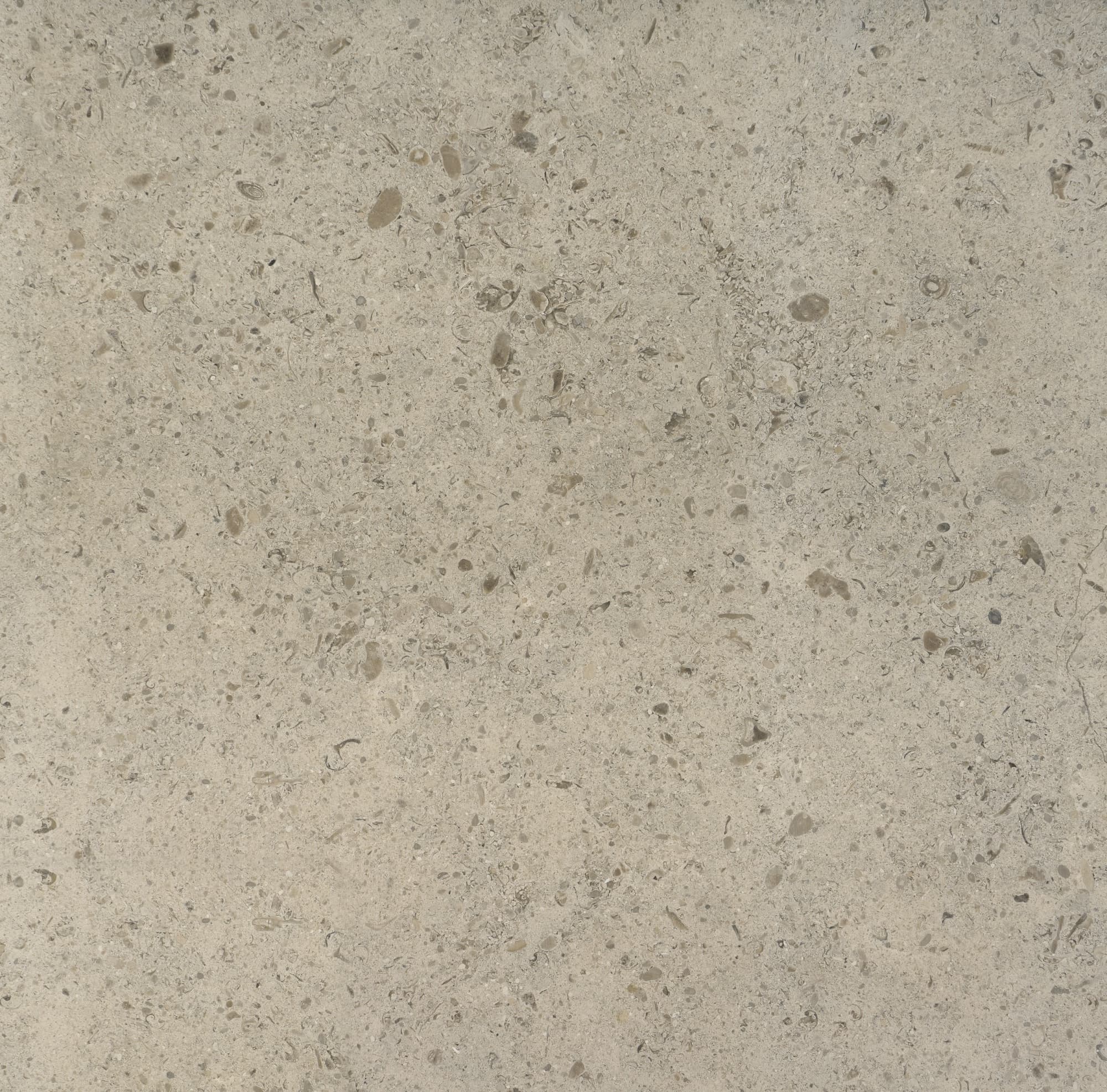
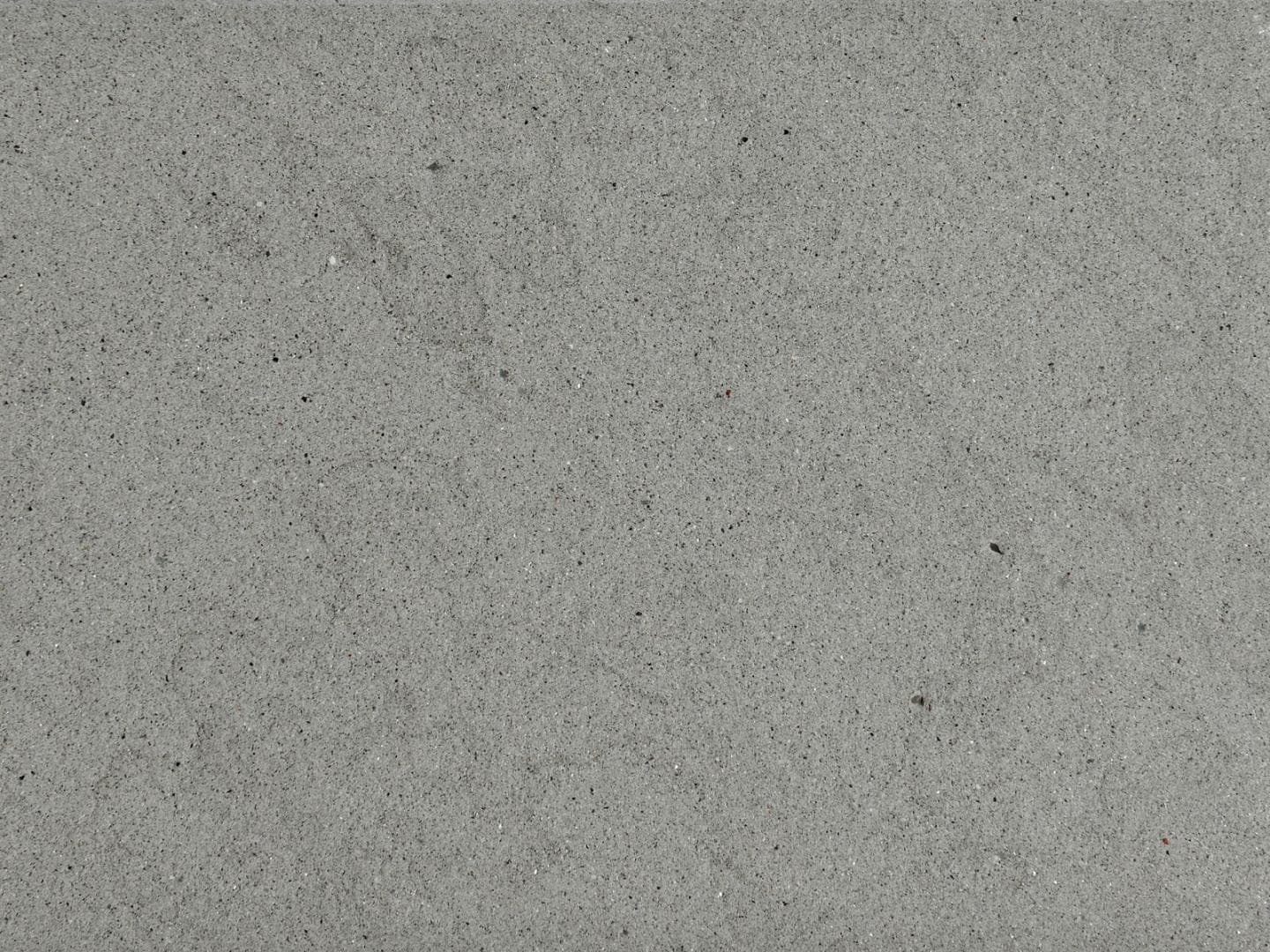
Moleanos Azul is a dense Portuguese limestone with low absorption and proven commercial-floor credentials, in a cool blue-grey that reads modern and even across a large lobby.
Pietra Serena brings the grey-blue Renaissance sandstone that has paved Florentine palazzi for centuries, textured and grounded, ideal where you want gravitas without gloss.
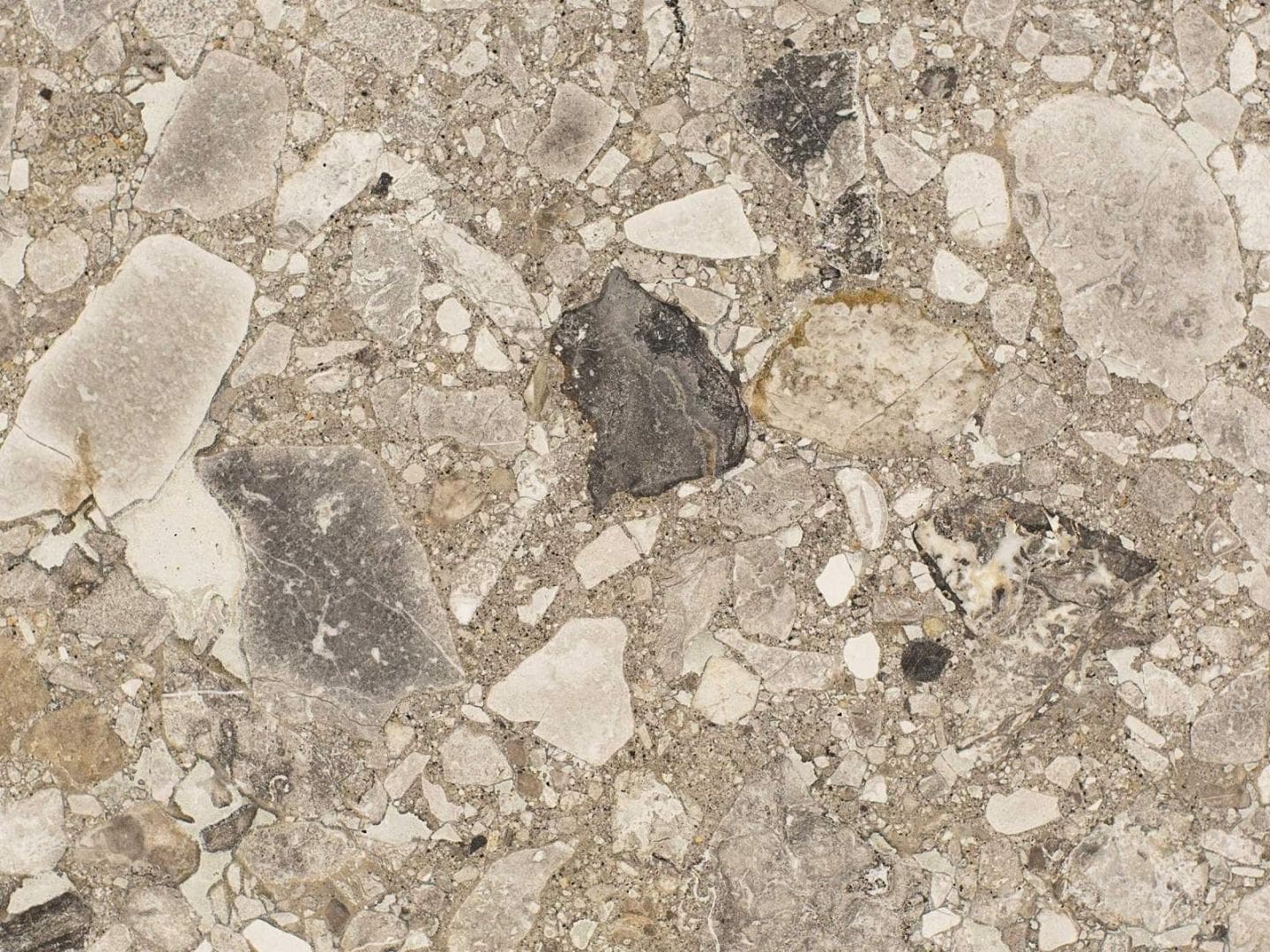
Ceppo di Gré is Milan's characterful conglomerate stone, with pebbled aggregate detail that hides traffic and gives a genuinely distinctive floor. (Not the porcelain imitation; see the Ceppo di Gré guide.)
These stones ask less of a maintenance team than pale polished marble and often give a more current look for design-led hospitality.
Finish and sealing for a ten-year floor
Specify the finish as a performance decision. Honed for the main walking field, always. Brushed or textured at wet thresholds, entrances, and ramps for grip. Reserve polished for low-traffic feature inlays or vertical surfaces where no one walks.
Then write the maintenance regime into the spec, because a stone floor is a system that includes how it is looked after:
A breathable impregnating sealer at installation, with a defined re-seal interval.
pH-neutral cleaners only. Train the operator: acidic cleaners etch calcite stone.
Walk-off matting at entrances to catch the grit before it reaches the stone. This single measure extends a floor's life more than almost anything else.
A floor specified this way is a 10-to-15-year surface that ages into a patina rather than wearing into a path.
Curated options by look and durability
Classic luminous lobby: honed Carrara White.
Dark, dramatic, dirt-forgiving: honed Bardiglio Imperiale or Grigio Carnico.
Contemporary, calm, low-maintenance: Moleanos Azul.
Grounded, textured, characterful: Pietra Serena or Ceppo di Gré.
For more on choosing between finishes, see our guide to honed, flamed, and brushed finishes.
Getting a spec and samples for your project
The workflow: define the traffic and the wet conditions, set the finish, choose the stone for look and durability, then get large-format samples honed to your intended finish and view them in the actual lobby light. For a floor this visible and this permanent, specify from stone in hand, never from a render.
If you are specifying a hospitality or high-traffic floor, start a project brief and we will return a curated shortlist matched to your traffic, look, and maintenance appetite, with honest notes on each. Or request samples of the stones above.
Notes from the studio
Occasional essays on material, sourcing, and the quiet craft of specifying stone. No noise.