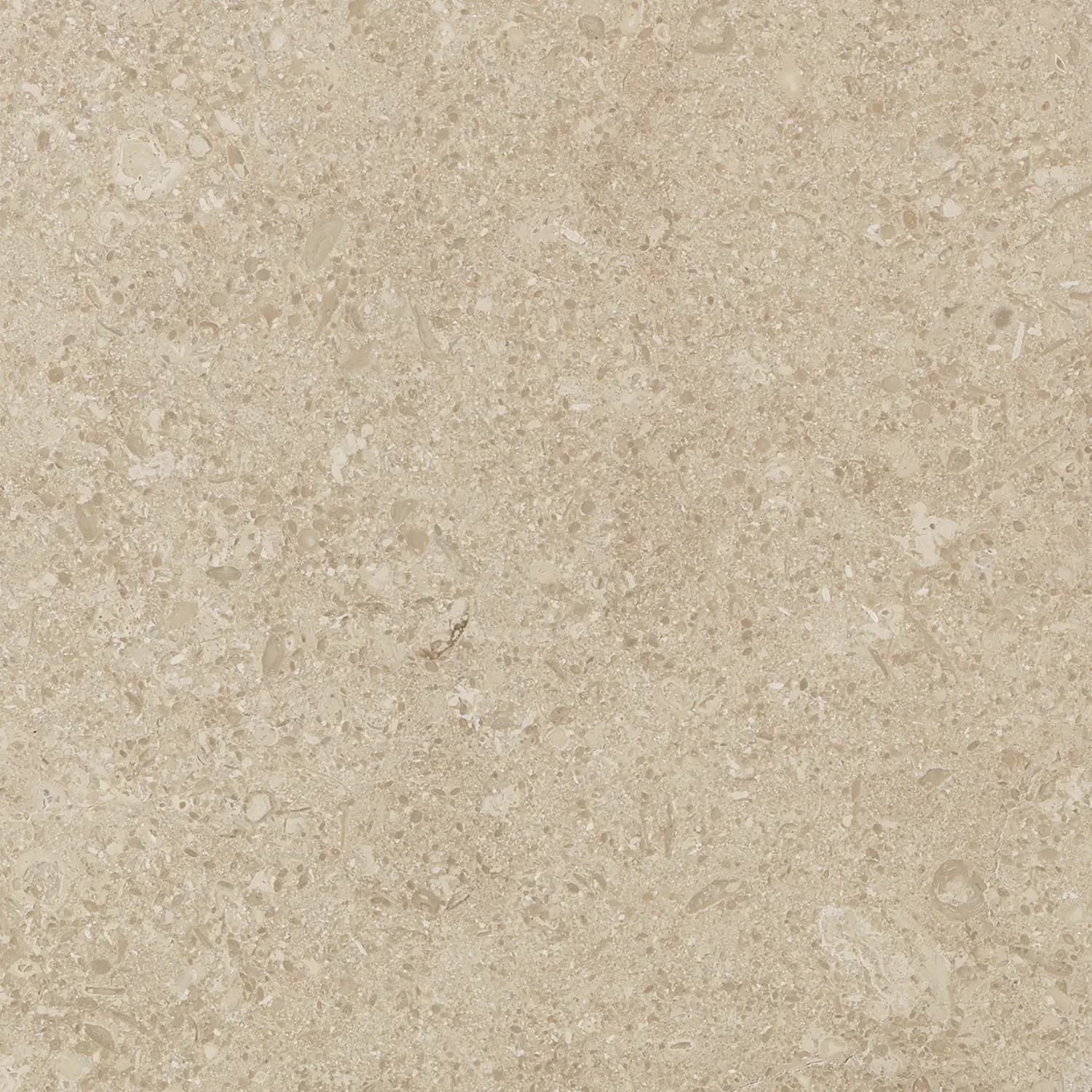
Moca Creme vs Moleanos: Choosing Between Portugal's Two Workhorses
Moca Creme or Moleanos? A sourcing studio on how Portugal's two great limestones differ in tone, grain, and durability, and which one your project actually wants.
Two Portuguese limestones do most of the heavy lifting in serious stone specification, and they are easy to confuse because both are dense, both are reliable, and both turn up on floors and facades everywhere. But Moca Creme and Moleanos are not interchangeable. One is warm, the other cool. One is the classic creamy character stone, the other the hard architectural workhorse. Choose the wrong one and the whole temperature of a space shifts.
We source both at the block, so here is the honest comparison: how they actually differ, where each belongs, and how to decide between them for a real project.
The one-line difference
If you remember nothing else: Moca Creme is warm, Moleanos is cool.
Moca Creme is the warm, creamy Portuguese limestone, often visibly fossil-flecked, the stone that makes a space feel sunlit and welcoming. Moleanos is the cooler, more even, more architectural limestone, harder-wearing and including a distinctive blue-grey Azul variant. Both are dense, both are capable, both perform. The choice is largely temperature and character, not quality.
That single axis, warm versus cool, decides most projects. Get it right and the rest follows.
Tone and character
The difference reads clearly in the flesh.
Moca Creme carries a warm, creamy, beige ground, frequently with visible fossil detail and a gentle mottling that gives it life and a classic, timeless character. It is the limestone of warm hotel lobbies, welcoming residential floors, and facades that glow in sunlight. It reads generous and inviting.
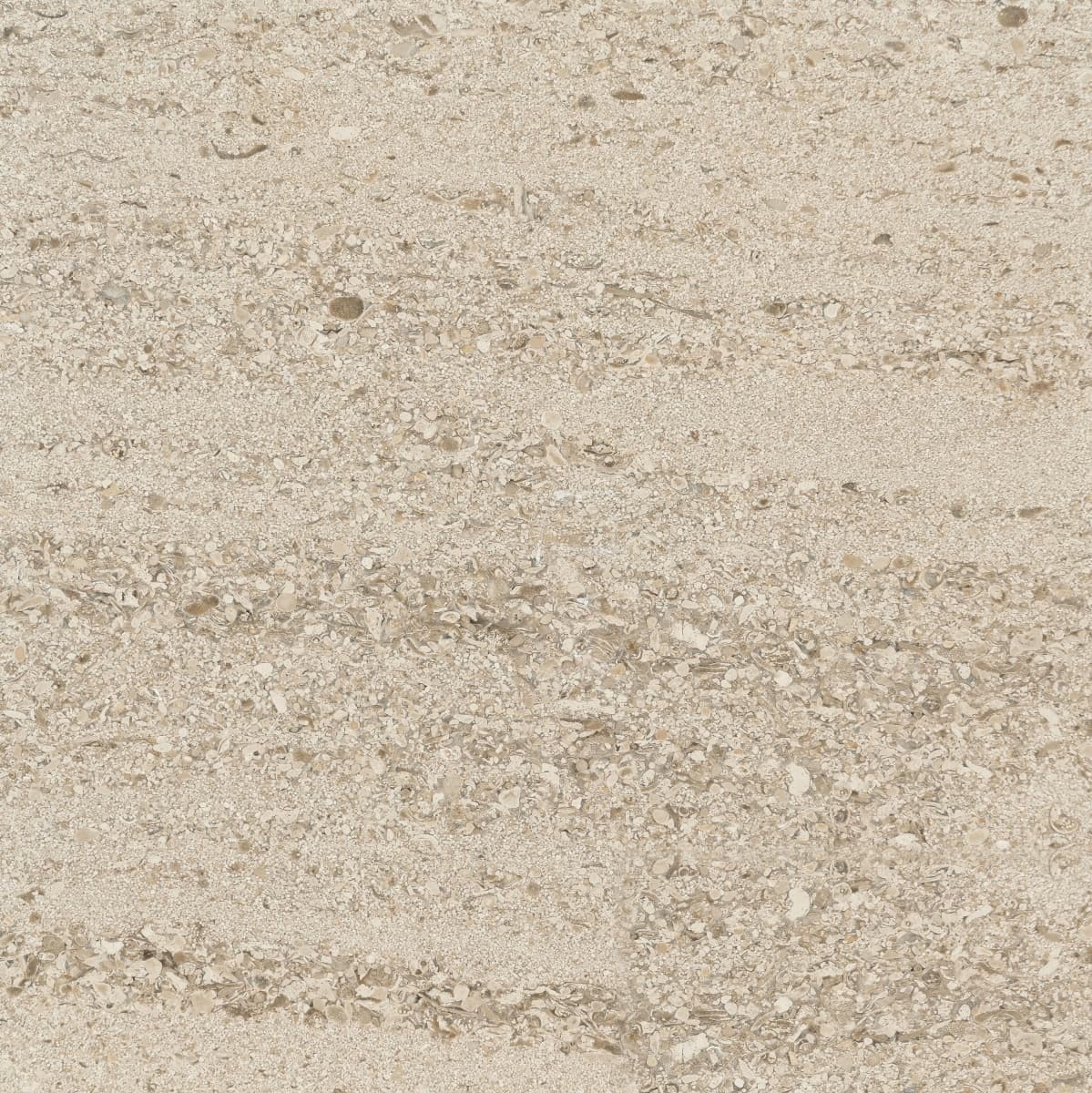
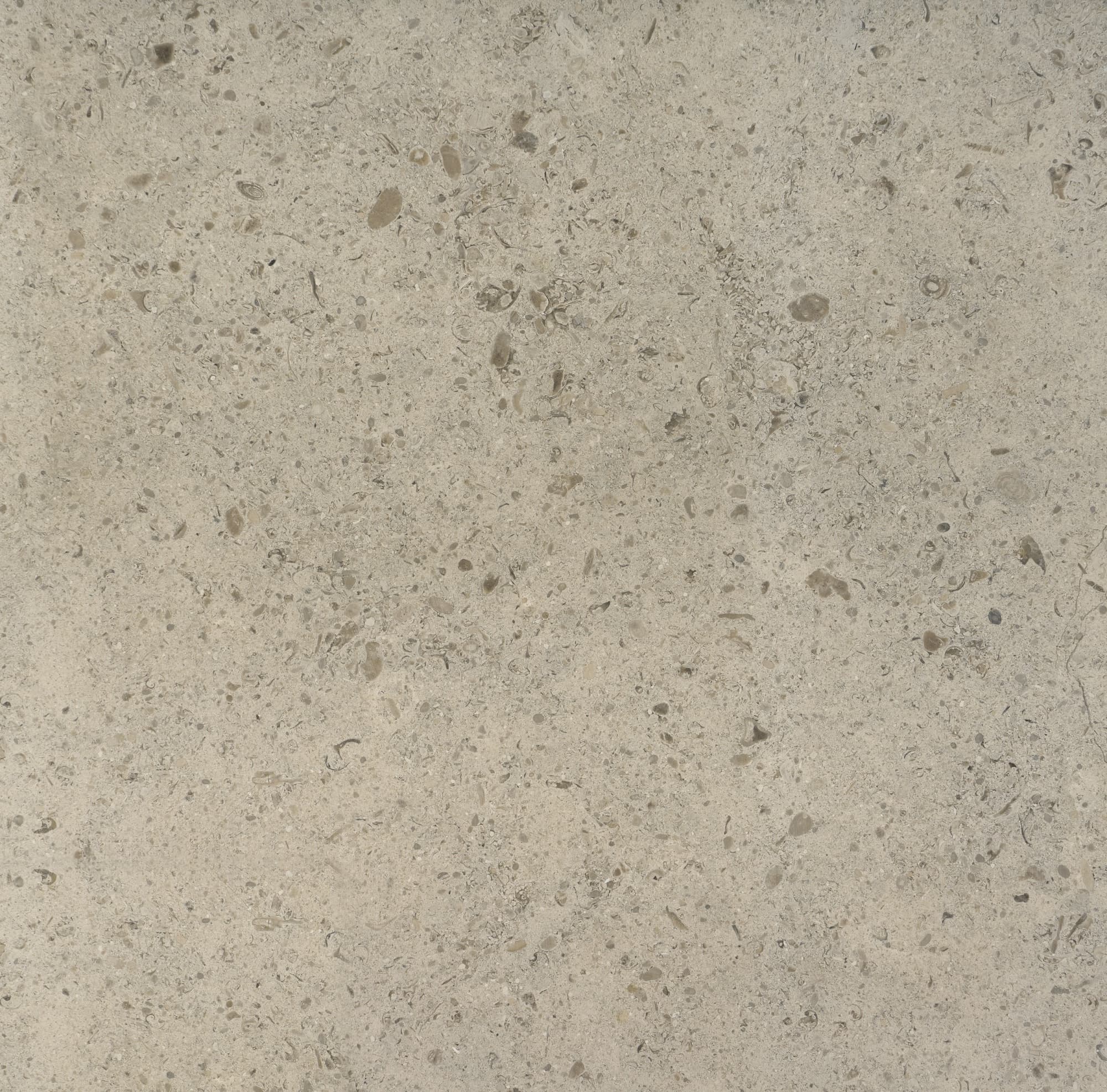
Moleanos reads calmer and cooler: a more even, finer, less overtly fossil-flecked ground, and in its Azul form a genuinely cool blue-grey. It is the limestone of contemporary, minimal, architectural schemes, where the stone should recede into a quiet, current backdrop rather than warm the room.
Put a Moca Creme floor and a Moleanos floor side by side and the Moca reads warm and characterful, the Moleanos cool and restrained. Neither is better. They are answers to different briefs.
Grain and consistency
Both stones come in more than one grain and selection, which is where confusion creeps in, so specify the exact selection, not just the name.
Moca Creme ranges from a textured, fossil-rich Classic to calmer, finer selections, so "Moca Creme" alone does not pin down the look. Our Moca Creme Classic vs Sintra guide untangles that. Moleanos similarly comes in fine and medium grains and in the Azul tone, so the same discipline applies: name the selection.
As a rule, Moleanos tends to read more even and consistent across a large area, while Moca Creme carries more visible character and movement. If large-area coherence with minimal variation is the priority, Moleanos in a fine selection leans that way; if you want warmth and life in the stone, Moca Creme delivers it.
Durability and application
Both are dense, sound limestones suitable for floors, cladding, and, with the right selection, exterior work. The honest distinction: Moleanos is generally regarded as the harder, more durable of the two, which is why it is often the choice where traffic is punishing or exterior exposure demands it.
This is a difference of degree, not a pass/fail. Moca Creme is durable and used worldwide on demanding floors and facades. But for the most heavily trafficked commercial floors or cold-climate exterior cladding, Moleanos in the right dense selection is the slightly safer specification, backed by the specific block's water absorption, flexural strength, and freeze-thaw data. For interior floors and walls, both perform beautifully.
For either stone outdoors, apply the discipline in our exterior cladding guide: dense selection, textured finish, sealing, drainage, and tested numbers.
How to choose
Work through these questions in order.
Warm or cool? This is the decisive one. Warm and welcoming, choose Moca Creme. Cool and contemporary, choose Moleanos, and its Azul for a genuinely cool cast.
Character or calm? Want fossil detail and life, Moca Creme. Want an even, quiet field, Moleanos in a fine selection.
How hard-working? For the most punishing traffic or cold-climate exterior, lean Moleanos and specify to test data. For interiors, either is fine.
What is the surrounding palette? Warm woods, brass, and soft light sit naturally with Moca Creme; cool metals, greys, and minimal palettes sit with Moleanos.
Then, whichever you choose, specify honed for floors, seal it, use pH-neutral cleaning, and reserve from a known bed.
Can you use both?
You can, but deliberately. Because they differ in tone, a warm Moca Creme and a cool Moleanos placed together read as two distinct stones, which can be a considered contrast or an accidental clash. If your real goal is tonal variety within one coherent family, the Atlantic limestone range is built precisely for that, offering beige, grey, white, and mix from one lineage. If you do want to pair Moca Creme and Moleanos, treat it as an intentional warm-versus-cool move and sample them together in the actual light before committing.
The honest summary
Moca Creme is the warm classic: creamy, characterful, welcoming, superb for warm and hospitality interiors and glowing facades. Moleanos is the cool workhorse: even, contemporary, harder-wearing, ideal for minimal architectural schemes and the most demanding applications, with a genuinely cool Azul option. Both are dense, reliable Portuguese limestones that behave well and represent real value. The choice is warm versus cool, character versus calm, not good versus bad.
If you are weighing Moca Creme against Moleanos, start a project brief and we will recommend the stone, selection, and finish for your application, with honest guidance on tone and durability. Or request samples of both and set them side by side in the light of your space, where the warm-versus-cool difference makes the decision for you.
Materials in this essay

Notes from the studio
Occasional essays on material, sourcing, and the quiet craft of specifying stone. No noise.