Pietra Forte Fiorentina: Florence's Structural Stone, Specified
Pietra Forte Fiorentina, the strong sandstone behind Florence's palazzi. A sourcing studio on its geology, real strength, finishes, and where it beats Pietra Serena.
If Pietra Serena drew the fine lines of the Renaissance, Pietra Forte Fiorentina built the walls that held it up. This is the strong stone of Florence, the dense, warm, hard-wearing sandstone that the city's great families used for the rusticated masonry of the Palazzo Vecchio, the Palazzo Pitti, and the Bargello. Five centuries later those walls are still standing, which tells you most of what you need to know about it.
Most of what ranks online for this stone confuses it with Pietra Serena or treats it as a footnote. It deserves better. We publish Pietra Forte and source it at the block, so this guide gives it the specifier's treatment: the geology, the real strength, the finishes, and the honest line on where it wins over its more famous cousin.
The strong stone of Florence
The name is the specification. Pietra forte means strong stone, and Florence chose it precisely for the jobs where Pietra Serena was too soft: the load-bearing, weather-facing, ground-level masonry that had to carry a palazzo and shrug off five hundred years of Tuscan weather.
Look at the great Florentine palaces and you are reading a material decision in stone. The heavy rusticated blocks of the facades, the ones that give the buildings their fortress-like gravity, are Pietra Forte. The refined grey detailing inside and around openings is Pietra Serena. The city literally built its strength in one stone and its grace in the other.
Character and geology
Pietra Forte Fiorentina is a dense, fine-to-medium-grained sandstone, a compacted sedimentary stone of quartz and other grains bound in a hard, calcareous matrix. That calcareous binder is part of what makes it tougher and denser than many sandstones.
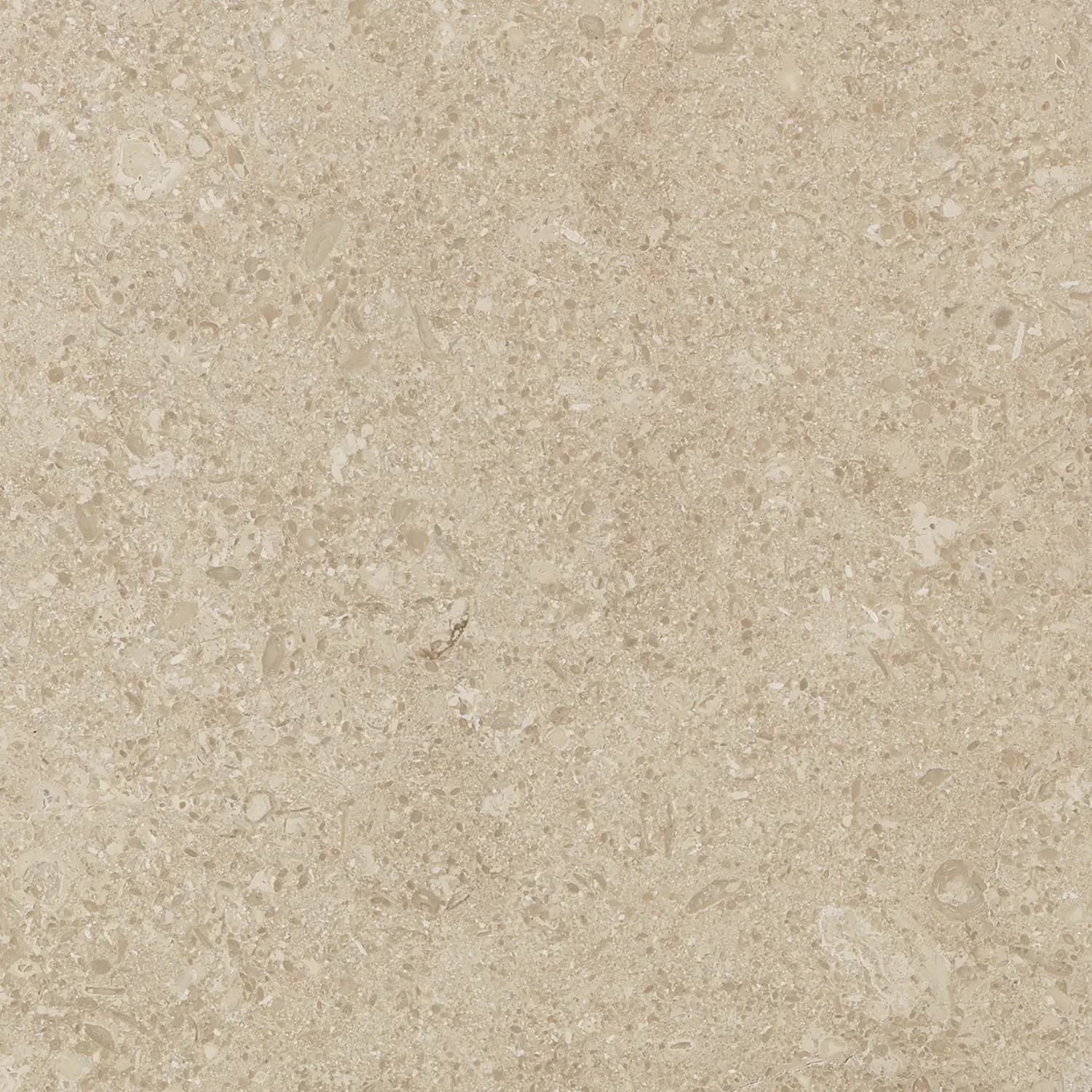
Its colour is warm: ochre-grey, golden-brown, hazel and honey tones that deepen where the stone weathers. This warmth is the fastest way to distinguish it from the cool grey-blue of Pietra Serena. In raking light, a Pietra Forte facade glows gold, which is exactly the effect the Florentine palazzi are famous for.
Technical properties
Pietra Forte earns its name in the numbers, but the specific selection still matters, as with any natural stone.
Hardness and strength. It is a hard, dense sandstone with good compressive and flexural strength, which is why it served as structural masonry and why it holds up as facade cladding and paving today. It is the tougher of the two Florentine sandstones by a clear margin.
Density and porosity. Denser and less porous than most sandstones, including Pietra Serena. It is still a sandstone, so it retains some porosity and benefits from sealing on floors and exteriors.
Weathering. Excellent, with a documented five-century record on Florence's most exposed facades. For cold freeze-thaw climates you still want block-specific freeze-thaw data and correct detailing, but the base behaviour is strong.
The honest move is the same as for any stone at scale: reserve from a known bed, and specify to the tested numbers of that material rather than a quarry average.
Finishes that suit it
Pietra Forte is a warm, robust stone, and its finishes lean into character and grip rather than polish.
Sawn and fine-rubbed surfaces keep the natural, understated quality suited to facades and traditional detailing.
Brushed and bush-hammered add grip and a tactile, weathered surface for paving, stairs, and exterior fields, and they weather evenly across large elevations.
Split and rusticated faces echo the historic palazzo masonry, a genuinely appropriate choice where you want that gravity.
Honed gives a smoother, warmer face for interior floors and cladding where a more refined surface is wanted.
Polished is not this stone's language. Pietra Forte is about warmth, weight, and texture, so keep it matte.
Where Pietra Forte belongs
Outdoors, this is a facade and paving stone with unmatched provenance. It excels as ventilated cladding, rusticated masonry detailing, plaza and courtyard paving, steps, and any exterior work where you want warmth, durability, and a stone that will weather with dignity. In temperate climates it is close to ideal; in cold climates apply the usual sandstone discipline of dense selection, sealing, drainage, and freeze-thaw data.
Indoors, it makes a warm, grounded floor and a characterful feature wall, particularly where you want the honeyed Tuscan tone rather than the cool grey of Serena.
For the wider exterior framework, our exterior cladding guide covers the water-absorption and detailing logic that applies here too.
Pietra Forte vs Pietra Serena
This is the decision most projects actually face, so hold it simply.
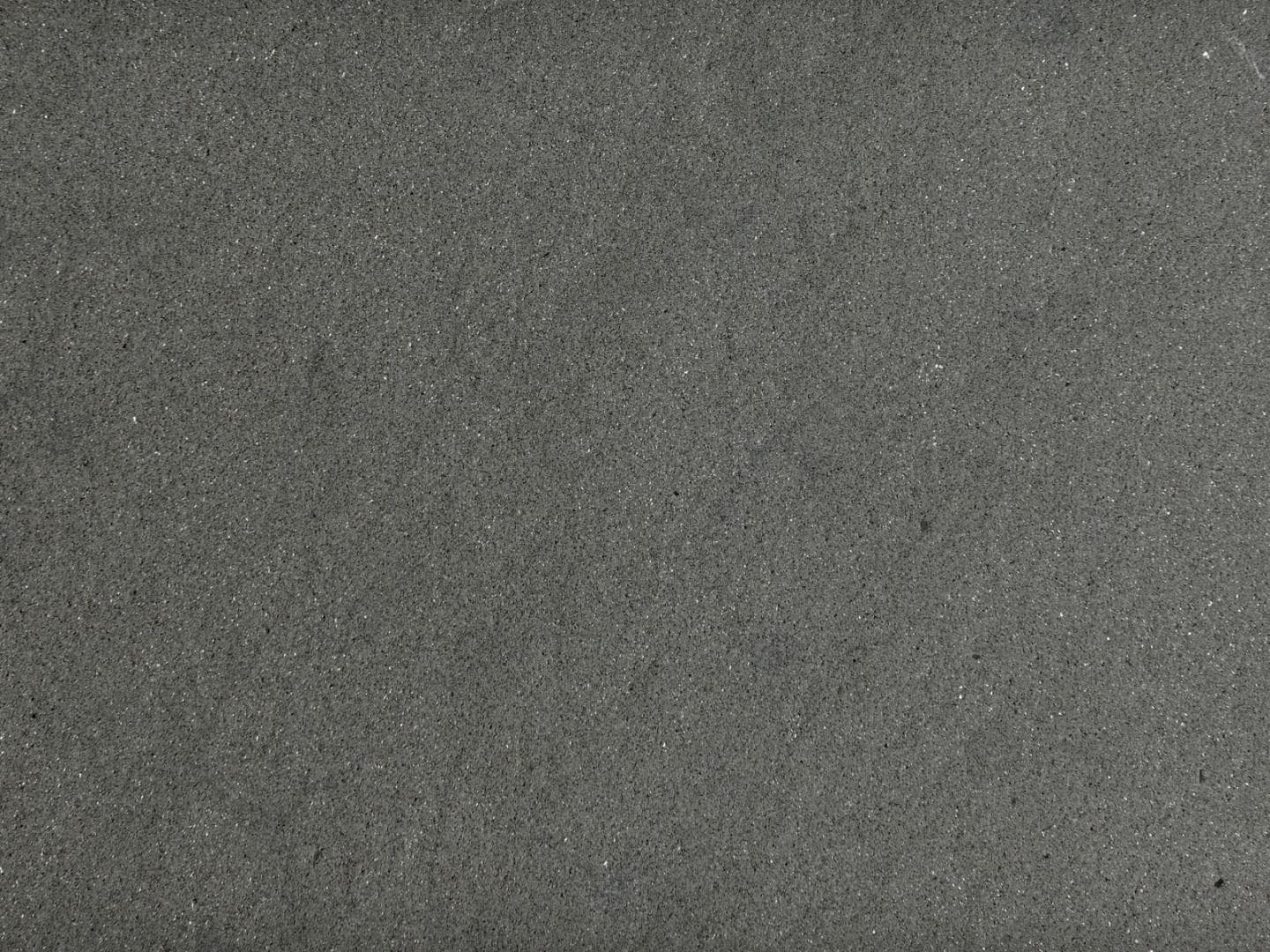
Pietra Forte Fiorentina is the strong body of the building: denser, harder, warmer, more durable. Reach for it when you need toughness, exterior resilience, load-bearing capacity, or that golden rusticated character.
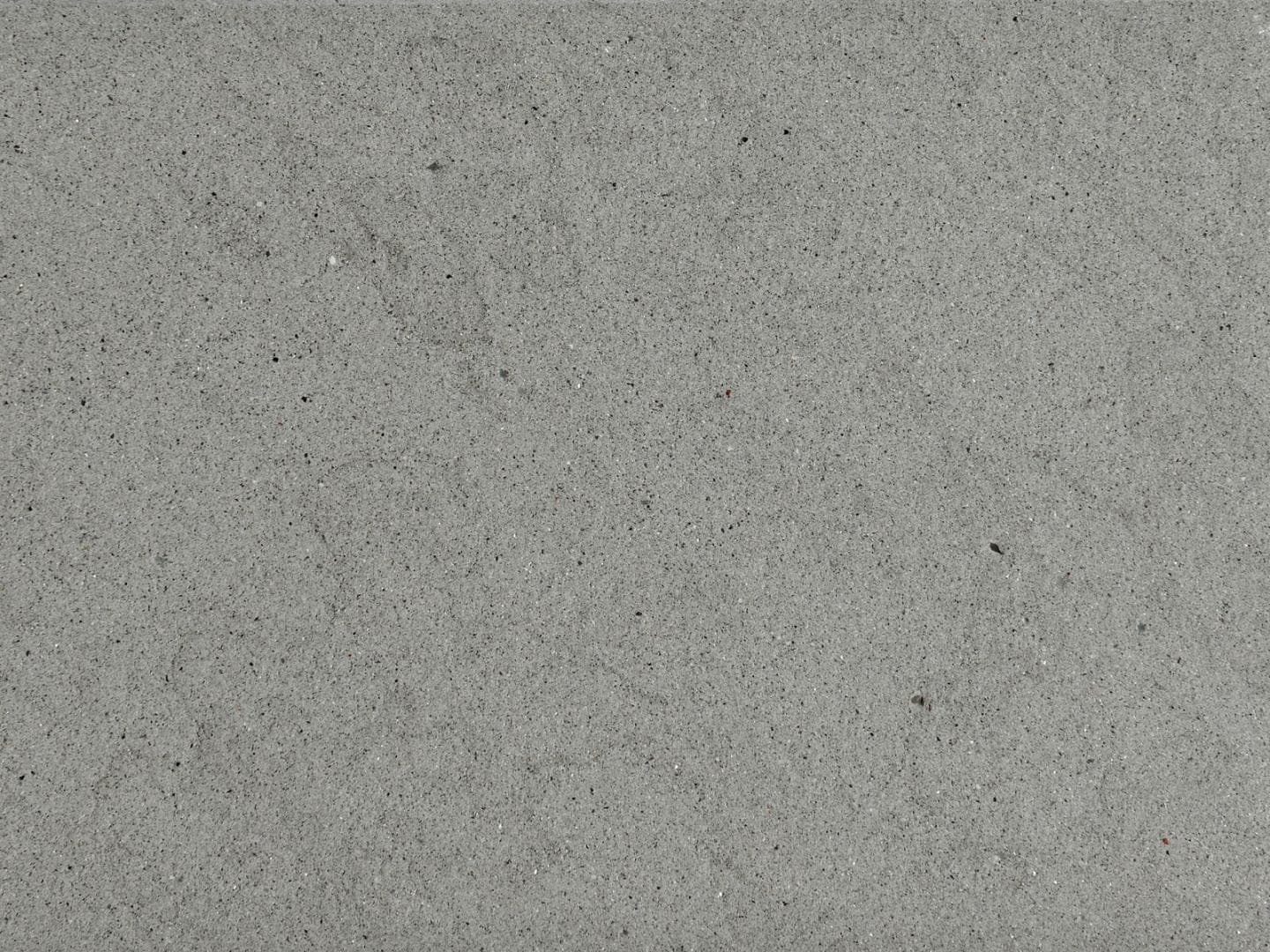
Pietra Serena is the calm face of the building: finer, softer, cooler grey-blue, more even. Reach for it for refined interior floors, decorative detailing, and a quiet architectural line.
Serena for calm surfaces, Forte for strength. We publish both, so you can compare them properly and choose per element rather than per building. For the full picture on the softer stone, see our Pietra Serena guide.
Sampling Pietra Forte
Because sandstone quality varies by bed, and because Pietra Forte's warmth shifts noticeably with light and finish, this is a stone to specify from physical samples in your intended finish. For exterior work, insist on block-specific test data rather than a generic figure, and view samples in the real light of the elevation.
If you are specifying Pietra Forte, or deciding between it and Pietra Serena for different elements of the same building, start a project brief and we will source the right selection and finish, with honest guidance on where each stone belongs. Or request samples of both and feel the difference in weight and warmth for yourself.
Materials in this essay
Notes from the studio
Occasional essays on material, sourcing, and the quiet craft of specifying stone. No noise.