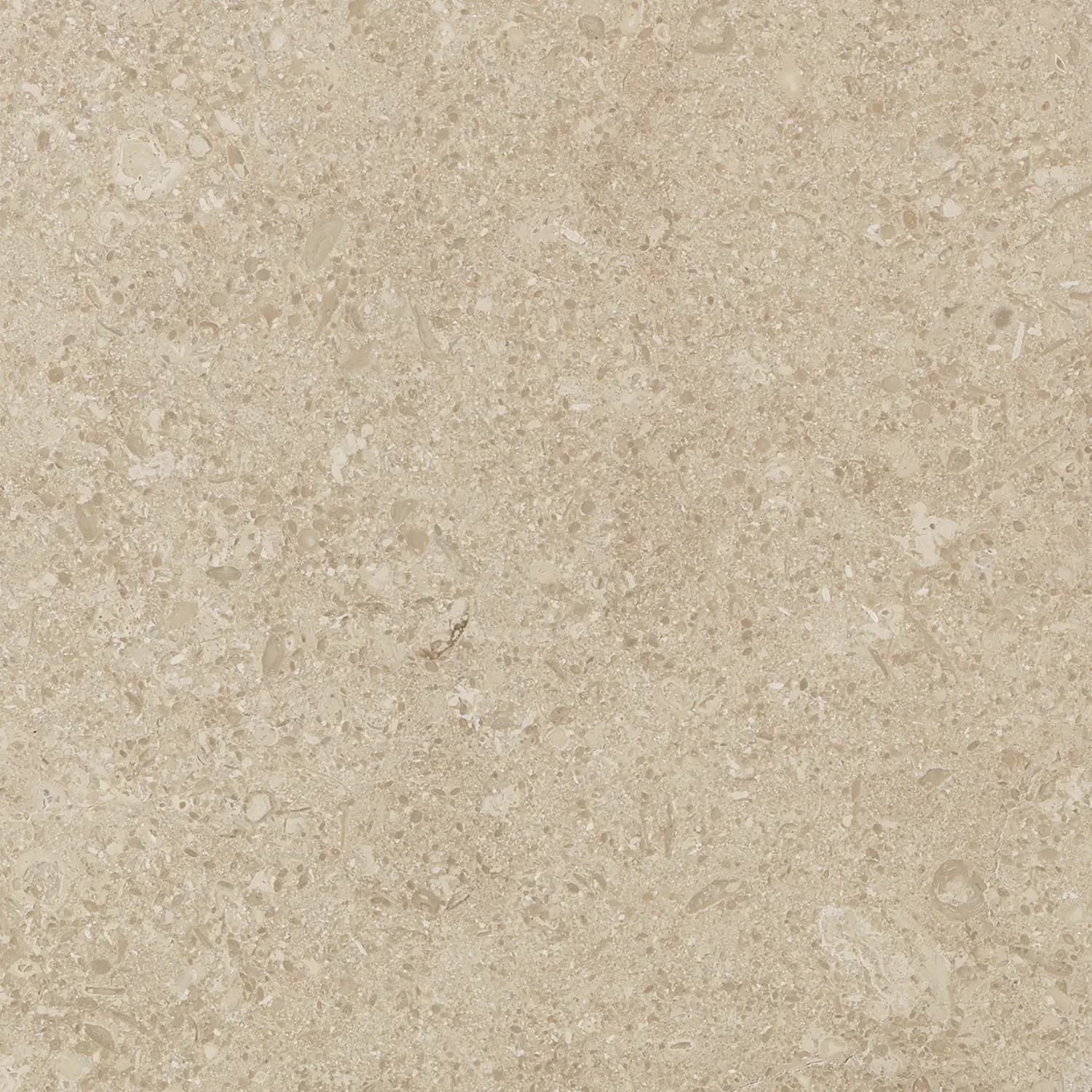
Mars Grey Sandstone: A Specifier's Guide to the Italian Grey
Mars Grey is an Italian grey sandstone with a real advantage most greys lack: it does not etch. A sourcing studio on its properties, finishes, and where it belongs.
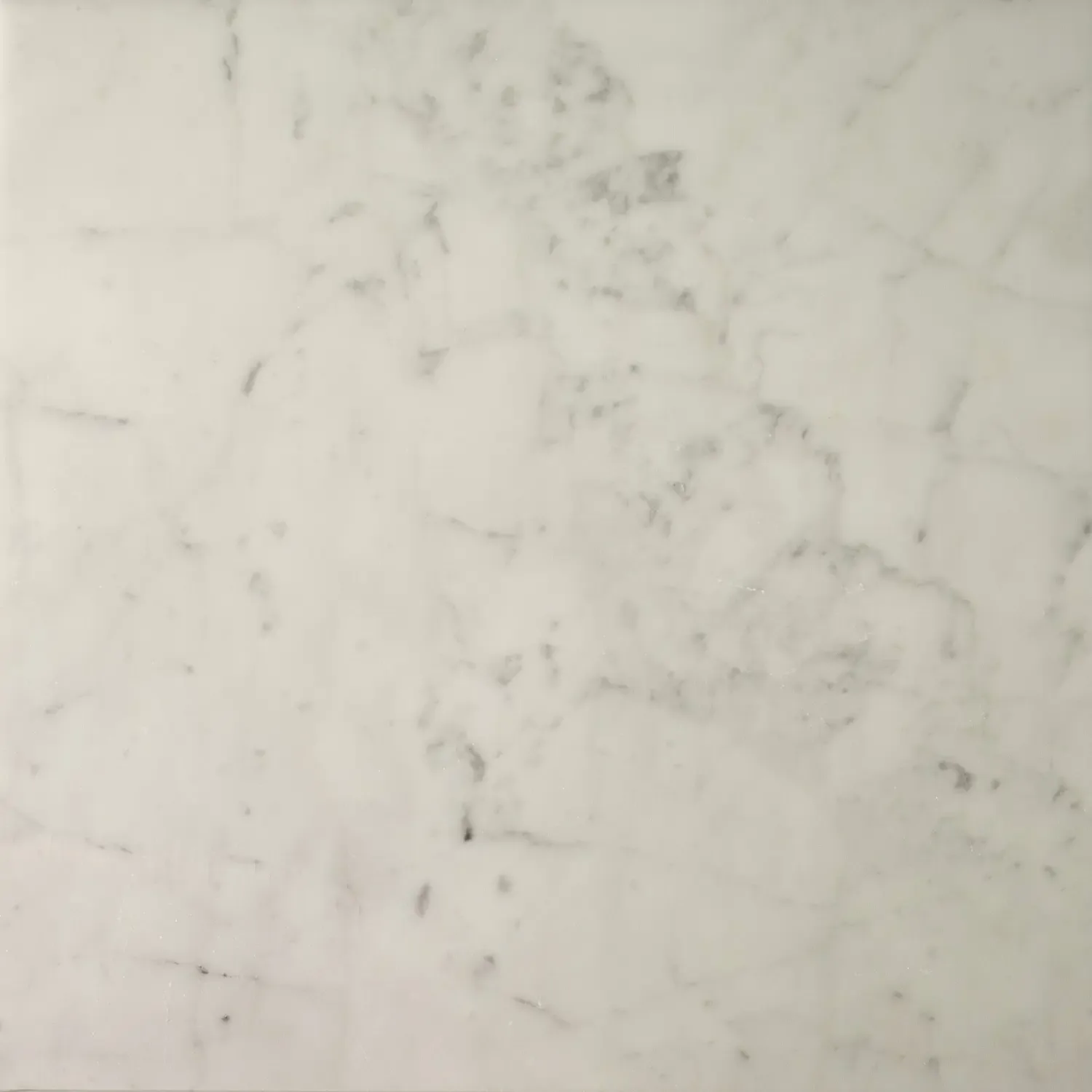
Most grey stones on a designer's desk are marble. Bardiglio, the grey Carrara marbles, the cooler limestones. They are beautiful, and they all share one problem: they etch. A splash of wine, a slice of lemon, a wipe with the wrong cleaner, and a dull mark appears that no sealer prevents.
Mars Grey does not have that problem. It is an Italian grey sandstone, and because it is silica-based rather than calcite-based, acids do not touch it. That single fact changes where a grey stone can go. We source Mars Grey at the block, so here is the honest guide: what it is, the properties that matter, the finishes, and the applications where it beats the grey marbles it sits next to.
What Mars Grey actually is
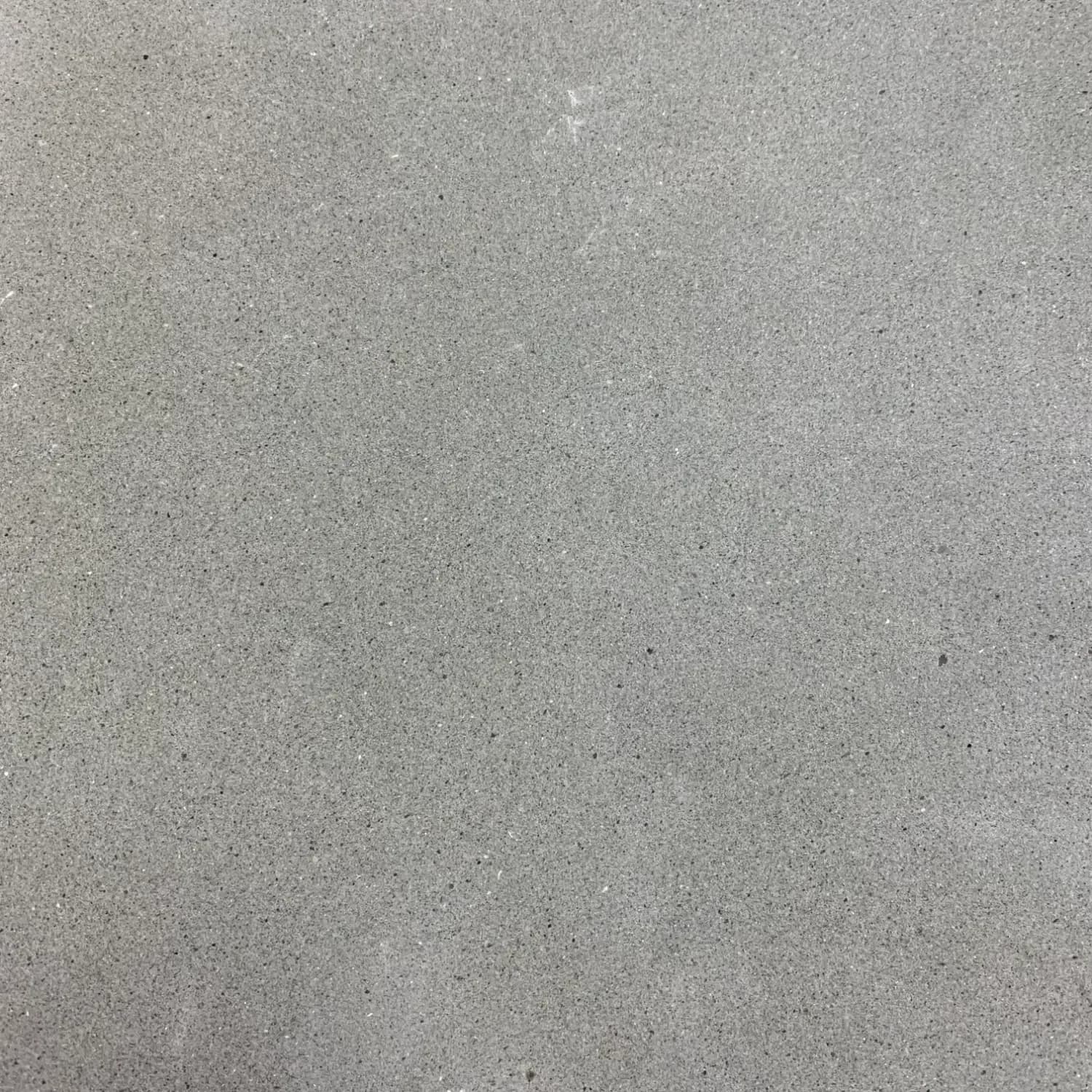
Mars Grey is a sandstone quarried in Italy, a sedimentary stone built from fine, well-sorted grains cemented into an even, compact mass. The colour is a consistent contemporary grey, calm and modern, without the dramatic veining of a marble. Where a grey marble draws the eye with movement, Mars Grey holds a quiet, uniform field that reads restrained and architectural.
The important distinction is chemical. Marble and limestone are calcium carbonate; they react with acid. Sandstone is largely silica, quartz grains in a mineral cement, so it is chemically far more stable. That is not a marketing point, it is the reason to reach for a sandstone when a grey marble would be too fragile for the use.
The advantage that matters: it does not etch
Etching is the single most common disappointment with grey marble. It is not a stain and it is not dirt. It is a chemical burn where acid has reacted with the calcite and left the surface dull. It happens on sealed marble because sealer slows absorption but does nothing to stop the acid reaction.
Mars Grey sidesteps this entirely. Wine, citrus, vinegar, and most household and commercial cleaners do not react with silica. For a grey floor in a busy environment, a bar top, a kitchen, a food-service counter, or any surface where acid contact is a matter of when not if, this is a genuine functional advantage over the grey marbles. You get the modern grey without the chemical fragility.
It will still stain if left unsealed, because a porous stone absorbs oils and pigments. So sealing is specified, and pH-neutral cleaning is still good practice. But the failure mode that ruins grey marble floors simply is not available to it.
Technical properties, honestly
Mars Grey is a sound building sandstone, but as with every natural stone, the specific block governs the exact numbers. Category figures are for shortlisting; a reservation with test data is for building.
Hardness and abrasion. Sandstones are quartz-rich and cope well with foot traffic, which is why they pave civic spaces and commercial floors. Abrasion resistance is finish-dependent; a textured surface wears its grip in gracefully.
Water absorption. This is the number that governs exterior use. A denser Mars Grey selection carries lower absorption and better frost resistance. For any cold-climate exterior, get the specific block's absorption figure, not a generic quarry average.
Flexural and compressive strength. Sound for cladding and paving in the usual thicknesses. For facade work, panels are sized to the tested flexural strength of the actual material and the fixing design, a conversation to have early rather than late.
The discipline with any sandstone specified at scale is the same as with limestone: reserve from a known bed, get test data on that reservation, and detail the exterior correctly.
Finishes and where they belong
Mars Grey is a matte, natural stone, and its finishes play to that. The finish is not decoration, it is how you tune the stone to the job.
Honed is the interior default: a smooth, even, matte grey for floors and wall cladding. It shows the calm uniform field at its best.
Brushed and bush-hammered add tactile texture and wet grip for bathrooms, wet rooms, terraces, pool surrounds, and exterior paving.
Sawn and sandblasted give an understated, civic character for heavier-duty and traditional work.
Polished is not really the point. Sandstone does not take the mirror shine of marble, and Mars Grey's appeal is its natural matte calm, so keep it honed or textured.
The rule is the same one that governs all our stone: tie the finish to the application. Honed for the interior floor, brushed for the wet room, bush-hammered for the terrace, and the same stone reads correctly across all three. For the full logic, see our honed vs flamed vs brushed guide.
Where Mars Grey belongs
Indoors, it is an excellent contemporary floor and wall stone: a calm modern grey that sits under any palette and, crucially, survives a real kitchen or a busy commercial floor without the etching worry that dogs grey marble. It pairs naturally with pale limestones, with timber, and with the warmer beiges when a scheme wants a cool counterpoint.
In wet areas it is a strong choice; a brushed or bush-hammered finish gives grip, and the acid resistance means it shrugs off cleaning products that would slowly dull a marble.
Outdoors, sandstone is proven paving and cladding, and Mars Grey textured reads modern and holds grip when wet. For cold, freeze-thaw climates, apply the exterior discipline: a dense selection, block-specific absorption and frost data, and correct drainage and fixing. Our exterior cladding guide sets out that framework in full, and it applies to a dense sandstone as much as to a limestone.
Mars Grey vs the grey marbles
The honest comparison is against Bardiglio Imperiale, the classic grey Italian marble. They answer the same brief, a sophisticated grey, in opposite ways.
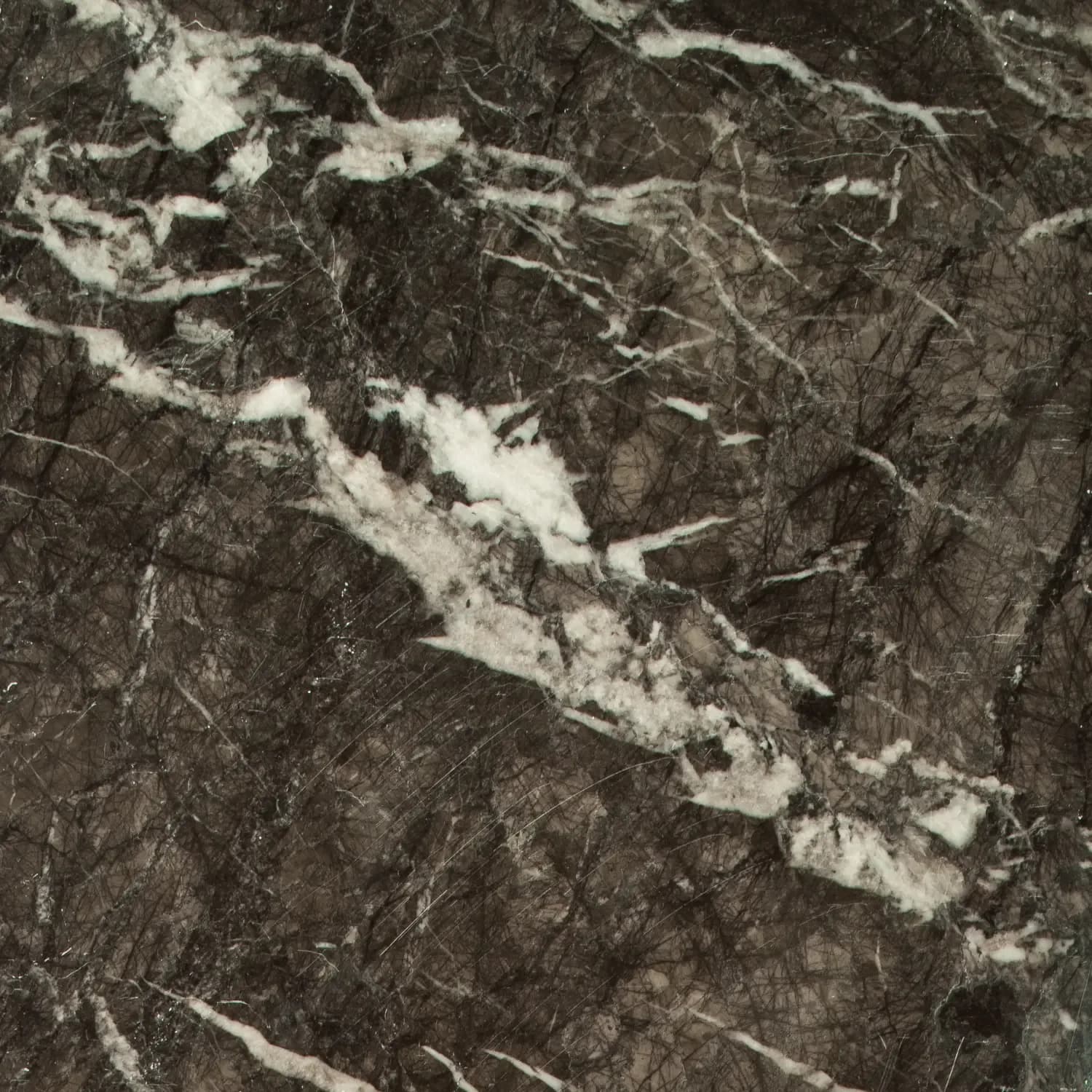
Bardiglio is the more dramatic and more traditional: deep blue-grey with fine veining, a marble with all a marble's beauty and all a marble's fragility. It etches, it wants honed finishes and pH-neutral care, and it is at its best on lower-traffic vertical features and refined floors specified honed.
Mars Grey is the more contemporary and more robust: an even, veinless grey that does not etch and copes with abuse the marble cannot. Where you want the grey to be quiet, modern, and genuinely hard-wearing, especially near food, water, or heavy traffic, Mars Grey is the pragmatic choice. Where you want the movement and prestige of a named Italian marble, Bardiglio. We publish both, so the comparison can be made honestly with samples in hand. For the marble side of that story, see our Bardiglio vs Carrara guide.
Sampling Mars Grey
Grey shifts more than any other colour between light sources. A grey that reads cool and architectural under north daylight can turn flat or slightly warm under interior lighting, so Mars Grey is a stone to judge from a decent-sized physical sample, in your intended finish, in the actual light of the space. A render will lie to you about grey.
If you are weighing Mars Grey against a grey marble, or specifying it for a floor, wet area, or facade, start a project brief and we will source the right bed and finish for the application, with honest guidance on where a sandstone beats a marble and where it does not. Or request samples and set the grey against your palette in your own light.
Materials in this essay
Notes from the studio
Occasional essays on material, sourcing, and the quiet craft of specifying stone. No noise.